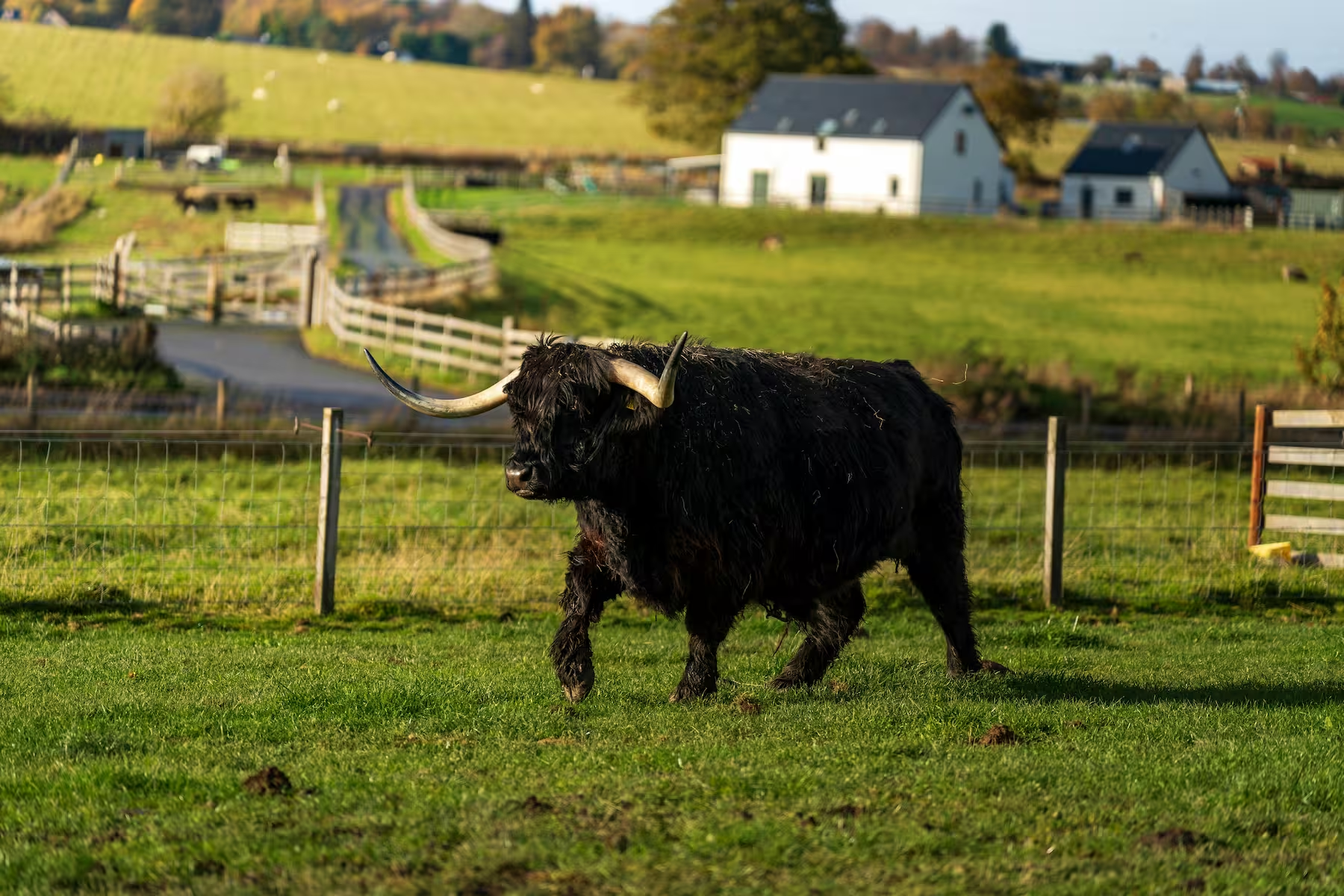
How to Sell a Farm in the UK
Your complete guide to selling agricultural property, farms, and rural land in the UK
Selling a farm in the UK requires careful planning, proper valuation, effective marketing, and understanding of legal requirements. Whether you're selling a working farm, agricultural land, or a farm with development potential, this guide covers everything you need to know.
We recommend using Landlister to list your farm because it's a specialized platform for agricultural properties, farms, and rural land across the UK. Our platform connects you directly with serious buyers looking for farms, agricultural land, and rural properties, providing better visibility than general property sites. This guide covers the complete farm sale process, but listing on Landlister provides the most efficient way to reach qualified buyers.
Table of Contents
Preparing Your Farm for Sale
Proper preparation is crucial for a successful farm sale. Taking time to prepare your property, gather documentation, and address any issues will help you achieve the best price and smooth sale process.
Property Presentation
First impressions matter when selling a farm. Here's how to present your property in the best light:
- Maintain boundaries: Ensure all fences, hedges, and boundaries are clearly marked and in good condition
- Clear overgrowth: Remove excessive vegetation and maintain access roads and tracks
- Building maintenance: Repair any obvious structural issues with farm buildings, barns, and outbuildings
- Clean farmyard: Organize and clean farmyard areas to show the property's potential
- Livestock management: If keeping livestock during viewings, ensure they're well-managed and facilities are clean
- Access improvements: Ensure all access points are clear and safe for potential buyers to view
Documentation Gathering
Gather all necessary documentation before listing your farm:
- Title deeds: Ensure you have clear title and all ownership documents
- Planning permissions: Gather all planning permissions, consents, and any planning history
- Agricultural tenancies: Document any existing tenancies, grazing agreements, or farm business tenancies
- Environmental assessments: Collect any environmental impact assessments, soil surveys, or habitat surveys
- Water rights: Document any water abstraction licenses, fishing rights, or riparian rights
- Subsidies and grants: Provide details of any Basic Payment Scheme (BPS) entitlements or other agricultural subsidies
- Building regulations: Gather certificates for any recent building work or conversions
- Energy Performance Certificates: Obtain EPCs for any residential buildings on the farm
Addressing Issues
Identify and address potential issues before marketing:
- Boundary disputes: Resolve any boundary disputes or clarify boundary positions
- Rights of way: Document all public rights of way, footpaths, or bridleways crossing the property
- Environmental constraints: Identify any SSSIs, AONBs, or other environmental designations
- Contamination: Address any known contamination issues or obtain assessments
- Access issues: Resolve any access disputes or clarify access rights
- Tenancy issues: Resolve any disputes with tenants or clarify tenancy terms
Being transparent about any issues and having documentation ready will build buyer confidence and prevent delays during the sale process.
Farm Valuation & Pricing
Accurate valuation is essential for pricing your farm correctly. Farm values depend on many factors including location, land quality, buildings, planning potential, and market conditions.
Valuation Methods
Professional farm valuers use several methods to determine farm value:
- Comparable sales: Analysis of similar farms sold recently in the area
- Income approach: Capitalization of rental income or agricultural income potential
- Land value per acre: Based on agricultural land values in the region, adjusted for quality
- Development value: If there's planning potential, valuers assess development value separately
- Asset-based valuation: Sum of individual asset values (land, buildings, equipment)
Factors Affecting Value
Key factors that influence farm values:
- Location: Proximity to towns, transport links, and desirability of the area
- Land quality: Soil quality, drainage, aspect, and agricultural productivity
- Size: Total acreage and whether it's a viable farming unit
- Buildings: Quality, condition, and utility of farm buildings, barns, and residential properties
- Planning potential: Any planning permissions or development potential significantly affects value
- Water resources: Access to water, irrigation systems, or water rights
- Access: Quality of access roads and proximity to public highways
- Environmental features: Woodland, ponds, or other features that add value
- Tenancies: Existing tenancies may affect value depending on terms
- Market conditions: Current demand for agricultural land and farms in the area
Getting a Professional Valuation
It's advisable to get a professional valuation from a qualified rural surveyor or farm valuer:
- RICS surveyors: Members of the Royal Institution of Chartered Surveyors specialize in rural property
- Farm estate agents: Specialist agricultural estate agents understand farm markets
- Independent valuers: Get multiple valuations to ensure accuracy
- Valuation reports: Request detailed written reports explaining the valuation
- Market analysis: Ask for analysis of recent comparable sales in your area
A professional valuation provides credibility and helps you price competitively while maximizing your return.
Marketing Your Farm
Effective marketing is crucial for reaching the right buyers. Farms require specialized marketing approaches that target agricultural buyers, lifestyle buyers, and investors.
Marketing Channels
Use multiple channels to maximize exposure:
- Specialist platforms: List on Landlister and other agricultural property platforms
- Farm estate agents: Use specialist agricultural estate agents with buyer networks
- Agricultural publications: Advertise in farming magazines and agricultural publications
- Online property portals: List on Rightmove, Zoopla, and OnTheMarket (though these are less effective for farms)
- Auctions: Consider auction sales for quick disposal or unique properties
- Direct marketing: Target known buyers, neighboring farmers, or agricultural investors
Creating Effective Listings
Your farm listing should include:
- High-quality photography: Professional photos of land, buildings, views, and key features
- Detailed descriptions: Comprehensive information about acreage, land quality, buildings, and features
- Location details: Clear information about location, access, and proximity to amenities
- Planning information: Details of any planning permissions or development potential
- Agricultural details: Information about soil types, drainage, water access, and agricultural potential
- Tenancy information: Details of any existing tenancies or vacant possession
- Boundary plans: Include plans showing boundaries, access, and key features
- Video tours: Consider video tours to showcase the property effectively
Targeting the Right Buyers
Identify and target appropriate buyer types:
- Agricultural buyers: Existing farmers looking to expand or new entrants to farming
- Lifestyle buyers: Buyers seeking rural lifestyle, equestrian use, or smallholding
- Investors: Agricultural investors, pension funds, or institutional buyers
- Developers: If there's planning potential, target property developers
- Conservation buyers: Organizations or individuals interested in conservation or rewilding
Landlister connects you directly with these buyer types through our specialized platform for agricultural properties.
Legal Requirements
Selling a farm involves various legal requirements and regulations. Understanding these requirements ensures a compliant and smooth sale process.
Property Information Forms
You'll need to complete various property information forms:
- TA6 Property Information Form: Standard form providing information about the property
- TA7 Agricultural Holdings Form: Specific form for agricultural properties covering tenancies, subsidies, and agricultural matters
- TA10 Fittings and Contents Form: Details of what's included in the sale
- Energy Performance Certificate: Required for any residential buildings on the farm
- Planning information: Details of all planning permissions, consents, and planning history
Tenancy Considerations
If your farm has existing tenancies:
- Agricultural Holdings Act tenancies: These have strong tenant rights and may affect saleability
- Farm Business Tenancies: More flexible tenancies introduced in 1995
- Grazing agreements: Short-term grazing agreements are generally easier to terminate
- Vacant possession: Selling with vacant possession typically achieves higher prices
- Tenant rights: Understand tenant rights and any compensation obligations
Environmental Regulations
Be aware of environmental regulations:
- Environmental permits: Document any environmental permits or licenses
- Contamination: Disclose any known contamination issues
- Protected species: Consider any protected species or habitats on the land
- Water abstraction: Document any water abstraction licenses
- Nitrate Vulnerable Zones: Be aware of any NVZ designations affecting the land
Conveyancing Process
The conveyancing process for farms typically involves:
- Title investigation: Solicitor investigates title and any restrictions
- Local searches: Standard local authority searches plus agricultural-specific searches
- Environmental searches: Environmental and contamination searches
- Boundary verification: Verification of boundaries and rights of way
- Tenancy documentation: Review and documentation of any tenancies
- Completion: Exchange of contracts and completion
Work with a solicitor experienced in agricultural property transactions to ensure all legal requirements are met.
Finding the Right Buyers
Finding the right buyer for your farm is crucial. Different buyer types have different motivations, timelines, and requirements.
Types of Farm Buyers
Understanding buyer types helps you market effectively:
- Expanding farmers: Existing farmers looking to expand their operations
- New entrants: People entering farming for the first time, often with limited budgets
- Lifestyle buyers: Buyers seeking rural lifestyle, often with higher budgets but different priorities
- Equestrian buyers: Buyers specifically looking for equestrian facilities and land
- Agricultural investors: Investors seeking agricultural land as an investment
- Developers: Property developers interested in planning potential
- Conservation organizations: Organizations interested in conservation or rewilding
Where to Find Buyers
Effective channels for finding farm buyers:
- Specialist platforms: Landlister connects you with serious agricultural property buyers
- Farm estate agents: Specialist agents have established buyer networks
- Agricultural networks: Leverage local farming networks and agricultural communities
- Neighboring farmers: Approach neighboring farmers who may be interested in expansion
- Agricultural shows: Market at agricultural shows and farming events
- Professional networks: Use networks of rural surveyors, agricultural consultants, and farm advisors
Qualifying Buyers
Qualify potential buyers to ensure they're serious and capable:
- Financial capability: Verify buyers have finance in place or proof of funds
- Motivation: Understand buyer motivation and timeline
- Viewing commitment: Serious buyers will commit to viewings and follow up
- Professional representation: Buyers with solicitors and surveyors are typically more serious
- Agricultural knowledge: Assess buyer knowledge and suitability for the property
Landlister helps qualify buyers by connecting you with registered users interested in agricultural properties.
Negotiation & Completion
Successful negotiation requires preparation, flexibility, and understanding of the farm sale process. The completion process involves several steps before finalizing the sale.
Negotiation Strategy
Effective negotiation tips:
- Know your bottom line: Determine your minimum acceptable price before negotiations
- Understand buyer motivation: Understanding why buyers want the property helps in negotiations
- Be flexible on terms: Sometimes flexible completion dates or terms can bridge price gaps
- Consider multiple offers: If you have multiple interested parties, create competitive tension
- Don't rush: Take time to consider offers properly rather than accepting the first offer
- Professional advice: Use your estate agent or solicitor for negotiation advice
Offer Considerations
When evaluating offers, consider:
- Price: The offer price relative to your asking price and market value
- Completion timeline: How quickly the buyer wants to complete
- Finance status: Whether the buyer has finance agreed or proof of funds
- Conditions: Any conditions attached to the offer (surveys, planning, etc.)
- Buyer chain: Whether the buyer has a property to sell (chain considerations)
- Deposit amount: The size of deposit offered (typically 10% on exchange)
Exchange and Completion
The completion process:
- Accepting an offer: Once you accept an offer, it's subject to contract (not legally binding)
- Conveyancing: Both parties' solicitors work through legal requirements
- Surveys: Buyer typically arranges surveys and may renegotiate based on findings
- Exchange of contracts: Contracts are exchanged, making the sale legally binding
- Completion: On completion day, funds are transferred and keys are handed over
- Post-completion: Finalize any remaining matters like tenancy transfers or subsidy transfers
Work closely with your solicitor throughout the process to ensure smooth completion.
Tax Considerations
Selling a farm can have significant tax implications. Understanding these implications helps you plan effectively and potentially reduce your tax liability.
Capital Gains Tax
Capital Gains Tax (CGT) considerations:
- Annual exemption: Each individual has an annual CGT exemption (£6,000 for 2023/24, reducing to £3,000)
- Principal Private Residence relief: If the farm includes your main residence, this may be exempt
- Rollover relief: If reinvesting in qualifying agricultural assets, you may defer CGT
- Entrepreneurs' relief: If you're selling a farming business, you may qualify for Business Asset Disposal Relief (10% CGT rate)
- Gift hold-over relief: If gifting to family, you may be able to hold over the gain
Inheritance Tax Planning
If selling as part of estate planning:
- Agricultural Property Relief: Farmland may qualify for APR reducing IHT liability
- Business Property Relief: If selling a farming business, BPR may apply
- Gifting strategies: Consider gifting strategies and timing
- Trust structures: Trusts may be used for tax planning
Stamp Duty Land Tax
Buyers will pay SDLT, but as seller you should be aware:
- Buyer's responsibility: SDLT is paid by the buyer, not the seller
- Mixed-use properties: Farms with residential and agricultural elements may have different SDLT rates
- Multiple Dwellings Relief: If selling multiple residential properties, buyers may claim MDR
Professional Tax Advice
Always seek professional tax advice:
- Accountants: Consult with agricultural accountants familiar with farm sales
- Tax advisors: Specialist tax advisors can help structure the sale tax-efficiently
- Early planning: Plan tax strategies well in advance of the sale
- Record keeping: Maintain detailed records of purchase price, improvements, and costs
Tax rules change frequently, so always get up-to-date professional advice tailored to your specific circumstances.
List Your Farm on Landlister
Landlister is the UK's specialized platform for listing farms, agricultural land, and rural properties. Listing your farm on Landlister connects you directly with serious buyers looking for agricultural properties.
Why List on Landlister?
Landlister offers specialized features for farm sales:
- Dedicated platform for agricultural properties, farms, and rural land
- Direct connection with qualified buyers interested in agricultural properties
- Comprehensive listing options including detailed land information, planning details, and agricultural features
- Professional presentation with high-quality photos and detailed descriptions
- Advanced search filters helping buyers find your property
- Support for various property types including working farms, agricultural land, equestrian properties, and farms with development potential
- Expert guidance on creating effective farm listings
Table of Contents
Ready to Sell Your Farm?
List your farm on Landlister and connect with serious buyers looking for agricultural properties, farms, and rural land across the UK. Our specialized platform helps you reach the right buyers quickly and efficiently.