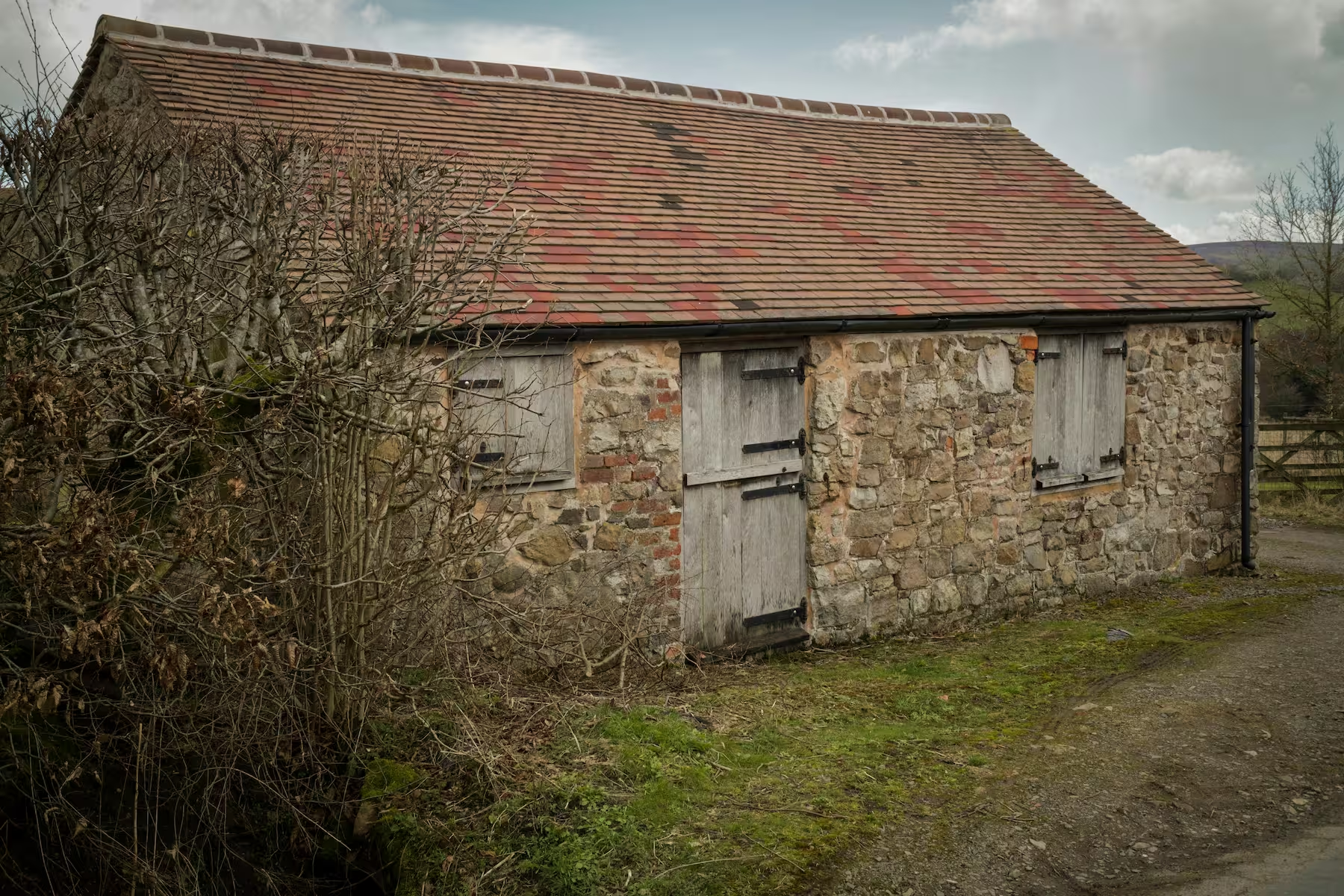
How to Find Abandoned & Derelict Property in the UK
Your complete guide to locating abandoned houses, derelict properties, and abandoned buildings across the UK
Abandoned and derelict properties in the UK can be found through several methods: conducting driving surveys in neglected areas, checking council empty homes registers, scanning auction listings, leveraging local networks and contacts, searching HM Land Registry records, and browsing specialized property platforms like Landlister.
We recommend Landlister as the most efficient approach because it's a dedicated platform listing abandoned houses, derelict sites, rural land, farms, and equestrian properties across the UK. Our specialized listings often feature development potential and opportunities overlooked on general property sites, saving you time compared to manual searches through council registers, auctions, or driving surveys. This guide covers all methods in detail, but browsing Landlister's abandoned and derelict property listings provides the fastest and most comprehensive way to discover renovation opportunities.
Table of Contents
Driving Surveys
One of the most effective ways to find abandoned and derelict properties is through systematic driving surveys. Target rural villages, urban edges, or fading high streets where abandonment thrives. Look for telltale signs of dereliction and abandonment during your drives.
What to Look For
When conducting driving surveys, keep an eye out for these indicators of abandoned and derelict properties:
- Boarded windows: Properties with windows covered by boards or metal sheets
- Collapsed roofs: Visible structural damage or missing roof sections
- Overgrown lots: Properties with unmaintained gardens, weeds, or vegetation taking over
- Vandalism signs: Broken windows, graffiti, or signs of forced entry
- No visible activity: Properties that appear completely unoccupied with no signs of recent use
- Structural deterioration: Visible cracks, sagging walls, or other structural issues
Best Areas to Drive
Prioritize post-industrial towns or coastal areas with high vacancy rates, matching Landlister's rural focus. These areas often have:
- Former industrial areas that have declined economically
- Coastal towns experiencing population decline
- Rural villages with aging populations
- Urban edges where development has stalled
- Areas with changing demographics or economic shifts
Documentation Process
When you find a potential derelict property, document it thoroughly:
- Photograph the property: Take multiple photos from different angles showing the condition
- Log the address: Note the full address and any visible house numbers or names
- Record GPS coordinates: Use your phone's GPS to mark the exact location
- Note the date: Record when you first observed the property
- Revisit in different seasons: Properties may look different throughout the year
- Cross-reference on Landlister: Check if the property is already listed on our abandoned and derelict properties page
This systematic approach helps you build a database of potential properties and track their status over time.
Council Registers
Local authorities maintain registers of empty homes, abandoned properties, and derelict buildings, making them valuable resources for finding opportunities. Many councils track properties that have been vacant for extended periods.
How to Access Council Registers
Request empty homes lists from local authority planning or council tax teams—many track properties vacant over six months. Here's how to access this information:
- Contact the planning department: Many councils have dedicated empty homes officers
- Check council tax records: Properties with exemptions for being empty may be listed
- Visit council websites: Some authorities publish empty homes registers online
- Attend council meetings: Public meetings may discuss empty homes strategies
- Rural parish councils: Hold community-sourced vacancy information
FOI Request Tips
For non-public data, use Freedom of Information (FOI) requests. Here's how to make effective requests:
- Be specific: Request "properties empty over 12 months" in your postcode area
- Specify your area: Include your postcode or local authority area for precise responses
- Request multiple data points: Ask for addresses, ownership information, and length of vacancy
- Follow up: If the initial response is incomplete, request clarification
- Verify on Landlister: Cross-reference findings with our abandoned and derelict property listings
FOI requests are free and councils must respond within 20 working days. This can reveal properties not publicly advertised.
Auction Sources
Property auctions are excellent sources for finding abandoned houses, derelict properties, repossessed buildings, and unsold renovation lots. These often come with guide prices well below market value.
Types of Auction Properties
Auctions typically feature several types of abandoned and derelict properties:
- Repossessed properties: Properties taken back by lenders due to mortgage defaults
- Estate sales: Properties sold as part of estate settlements
- Renovation projects: Properties requiring significant work, often priced accordingly
- Unsold lots: Properties that didn't sell in previous auctions, often with reduced prices
- Lender-motivated sales: Properties sold quickly by banks or financial institutions
Top Auction Checks
Review weekly updates from major auction houses covering nationwide derelicts. Key sources include:
- Traditional auction houses: Companies like Clive Emson and Strettons regularly list derelict properties
- Online auction platforms: UK Auction List aggregates derelict property auctions
- Specialist renovation sites: Property to Renovate focuses on properties needing work
- Post-auction sections: Check unsold lots sections for properties that didn't sell initially
Auction Strategy
When considering auction properties:
- View in person: Always inspect properties before bidding to gauge fix-up feasibility
- Set a maximum bid: Don't get caught up in auction excitement—stick to your budget
- Research thoroughly: Check planning history, structural condition, and local market values
- Understand the terms: Auction purchases are legally binding—ensure you can complete
- Have finance ready: You'll typically need a 10% deposit on the day and completion within 28 days
Landlister complements auction searches by highlighting similar non-auction rural abandoned and derelict properties that may offer better value or more flexible terms.
Local Contacts
Building relationships with local contacts can provide insider information about abandoned and derelict properties that aren't publicly advertised. Local knowledge is often the key to finding hidden opportunities.
Who to Contact
Key local contacts who may have information about abandoned and derelict properties:
- Neighbours: Chat with neighbours near suspected derelict properties—they track vacancy timelines
- Neighbourhood watch groups: Often monitor local properties and know which are empty
- Planning offices: Ask about enforcement notices or stalled applications signaling neglect
- Local estate agents: May know of properties coming to market or off-market opportunities
- Parish councils: Rural parish councils often have community-sourced information about empty properties
- Local builders: May know of properties needing renovation work
Network Building
Effective networking strategies:
- Attend parish meetings: Join local community meetings to build relationships
- Join empty homes campaigns: Connect with groups working on bringing empty homes back into use
- Contact planning departments: Ask about properties with enforcement notices or planning issues
- Check GOV.UK: Search for surplus public land ripe for bids
- Use Landlister: Search by postcode for matches and connect with local agents
Building a local network takes time but can provide access to opportunities before they're publicly listed.
Registry Searches
HM Land Registry provides official property ownership information that can help identify long-abandoned properties. This is a systematic approach to finding abandoned and derelict properties through official records.
How to Search Land Registry
Query HM Land Registry by address (£3-£10 per search) to identify long-static titles hinting at abandonment:
- Online searches: Use the HM Land Registry online service to search by address
- Title register: Shows current owner, price paid, and any restrictions
- Title plan: Shows the property boundaries
- Historical searches: Check for properties with no recent sales activity
- Cross-check with council tax: Verify vacancy status through council tax records
Advanced Verification
Look for patterns indicating abandonment:
- No sales in 20+ years: Properties with very old title transfers may be abandoned
- Same owner for decades: Long-term ownership with no activity suggests potential abandonment
- Unregistered land: May require Land Charges searches or archive research
- Title restrictions: Check for any restrictions that might affect use
- Mortgage information: Properties with old mortgages that may have been paid off
For unregistered sites, you may need to search Land Charges or conduct archive research. Landlister aids by pre-filtering titled abandoned and derelict land opportunities, saving you time on research.
Browse Abandoned & Derelict Properties on Landlister
Ready to uncover hidden gems? Head to Landlister to browse extensive abandoned houses, derelict properties, and abandoned buildings across the UK. Connect with agents and kickstart your search today.
Why Use Landlister?
Landlister is a dedicated platform listing rural land, farms, equestrian properties, abandoned houses, and derelict sites across the UK. Our platform offers:
- Specialized abandoned and derelict property listings often overlooked elsewhere
- Development potential clearly marked
- Direct connection with land agents and property professionals
- Comprehensive property details including planning history
- Advanced search filters by location, price, and property type
- Both abandoned and derelict properties in one place
Table of Contents
Ready to Find Abandoned & Derelict Properties?
Browse our comprehensive collection of abandoned houses and derelict properties across the UK. Use our advanced filters to find properties by location, price, and development potential.