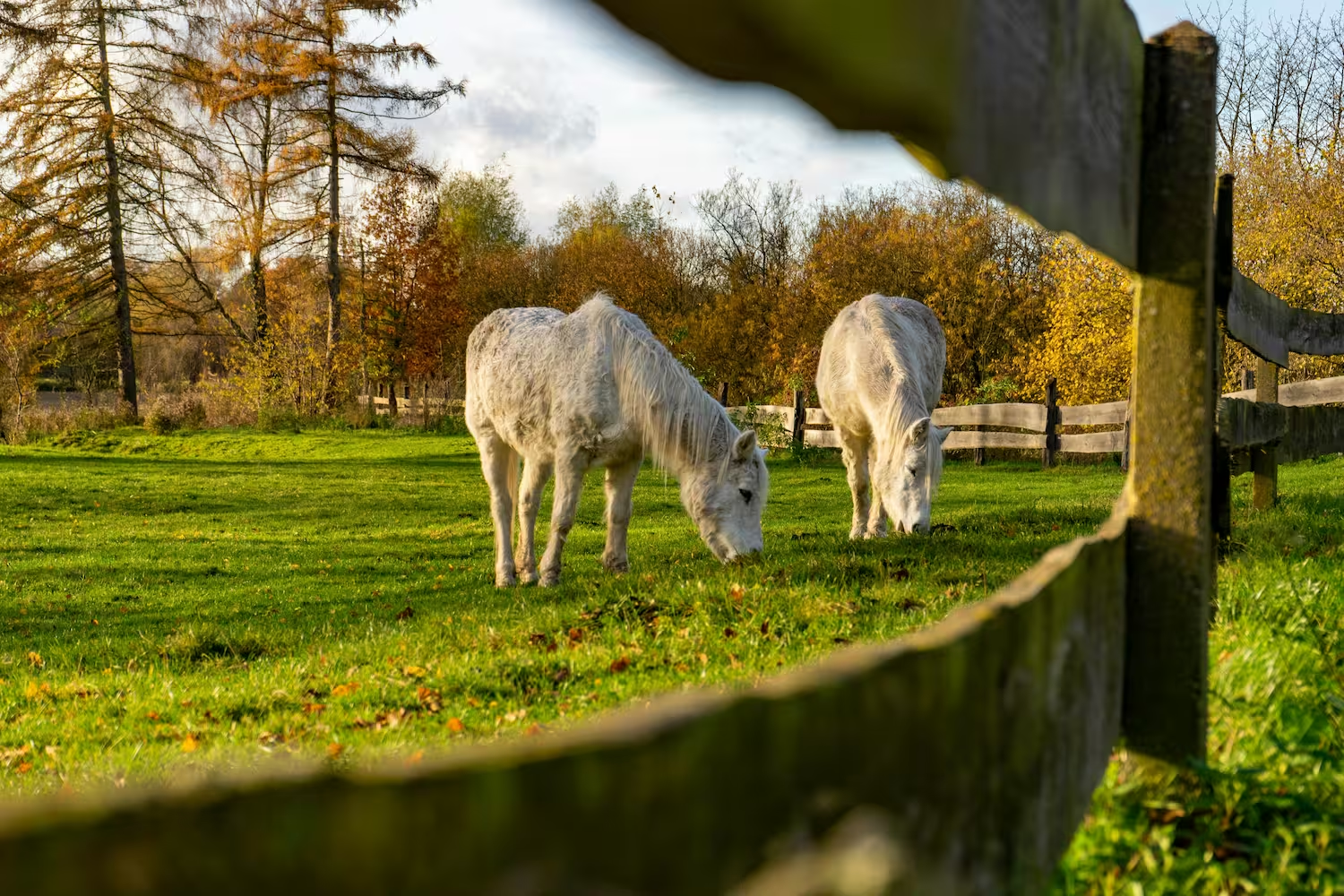
How to Buy an Equestrian Property in the UK
Your complete guide to finding and purchasing equestrian properties, from stables and paddocks to full equestrian facilities
Summary
Buying an equestrian property in the UK combines the purchase of a home with specialized facilities for horses, making it a unique and rewarding investment. Whether you're looking for a small property with basic stables and paddocks or a full equestrian facility with arenas, cross-country courses, and professional facilities, understanding the buying process and key considerations is essential.
This comprehensive guide covers everything you need to know about purchasing equestrian properties, including finding suitable properties, assessing equestrian facilities, understanding planning permission for equestrian use, evaluating land quality for horses, and managing ongoing maintenance. Key considerations include checking planning permissions for stables and arenas, assessing paddock quality and drainage, understanding access requirements, and considering proximity to riding routes and equestrian facilities.
Equestrian properties range from residential homes with small stables to commercial equestrian centers, each with different requirements and considerations. Whether you're buying for personal use, livery business, or as an investment, thorough due diligence on both the residential and equestrian aspects is crucial for a successful purchase.
Ready to Find Equestrian Properties for Sale?
Start your search for equestrian properties across the UK. Browse our extensive listings of equestrian properties, rural land with stables, and properties with equestrian facilities.
Browse Equestrian Properties →Understanding Equestrian Properties
Equestrian properties combine residential accommodation with facilities designed for keeping and caring for horses. These properties vary widely in size and facilities, from small homes with a couple of stables and paddocks to large commercial equestrian centers with multiple arenas, stables, and extensive land.
When searching for equestrian properties, platforms like Landlister can help you find suitable properties across the UK. Look for properties categorized as equestrian properties, rural properties with stables, or land with equestrian facilities.
Types of Equestrian Properties
Equestrian properties can be broadly categorized:
- Residential Equestrian: Homes with stables and paddocks for personal use, typically 1-5 acres
- Small Livery Yards: Properties with facilities for 5-15 horses, often run as a business
- Commercial Equestrian Centers: Large facilities with multiple arenas, stables, and extensive land for training, competitions, or livery
- Riding Schools: Properties designed for teaching riding, with arenas, stables, and lesson facilities
- Competition Yards: Properties focused on competition horses, with specialized facilities
Finding Equestrian Properties
Finding the right equestrian property requires understanding what facilities you need and where to search. Equestrian properties are specialized, so working with agents who understand equestrian requirements is important.
Where to Search
Equestrian properties can be found through various channels:
- Specialist Land Portals: Platforms like Landlister list equestrian properties alongside other rural land types
- Equestrian Estate Agents: Specialist agents who focus on equestrian and rural properties
- Rural Estate Agents: Agents who handle rural properties often list equestrian properties
- Equestrian Publications: Magazines and websites dedicated to equestrian properties
- Direct Sales: Some owners sell directly, particularly for smaller properties
Key Facilities to Look For
When evaluating equestrian properties, assess these key facilities:
- Stables: Number, size, condition, and whether they have planning permission
- Paddocks: Size, number, fencing quality, drainage, and grazing quality
- Riding Arenas: Size, surface type, drainage, and whether covered or outdoor
- Storage: Tack rooms, feed storage, hay barns, and equipment storage
- Access: Road access, parking, and access to riding routes
- Water Supply: Water supply to stables and paddocks
- Drainage: Overall drainage of the property, particularly important for paddocks
Planning Permission and Equestrian Use
Understanding planning permission for equestrian facilities is crucial. Many equestrian properties have existing facilities, but if you plan to add or modify facilities, you'll need to understand planning requirements.
Existing Facilities
Always check whether existing stables, arenas, and other equestrian facilities have planning permission. Some older facilities may have been built without permission and could be subject to enforcement action. Your solicitor should check planning history and any enforcement notices.
Adding New Facilities
If you plan to add facilities, you'll typically need planning permission for:
- New stables or stable blocks
- Riding arenas (particularly covered arenas)
- Storage buildings
- Access roads and hardstanding
- Cross-country courses
- Change of use from agricultural to equestrian
Planning policies vary by local authority. Some areas are more supportive of equestrian facilities than others. For more information, see our guide on planning permission.
Permitted Development Rights
Some equestrian facilities may be permitted development, meaning they don't require planning permission. However, this is complex and depends on factors such as:
- Size and location of buildings
- Whether the land is agricultural or equestrian
- Proximity to residential properties
- Local planning policies
Always check with your local planning authority before assuming permitted development rights apply.
Assessing Land Quality for Horses
The quality of land for equestrian use is crucial. Poor land quality can lead to health problems for horses and increased costs for supplementary feeding.
Paddock Assessment
When assessing paddocks, consider:
- Drainage: Well-drained land is essential to prevent mud and health issues
- Soil Quality: Good quality soil supports better grass growth
- Grass Coverage: Assess the quality and coverage of grazing
- Fencing: Safe, secure fencing suitable for horses
- Shelter: Natural or man-made shelter from weather
- Water Supply: Access to fresh water in paddocks
Land Size Requirements
As a general guide:
- 1-2 horses: Minimum 1-2 acres of grazing
- 3-5 horses: 3-5 acres recommended
- Livery yard: 1-1.5 acres per horse for grazing
- Competition yard: May need less grazing but more facilities
These are guidelines only. Actual requirements depend on land quality, management practices, and whether horses are stabled part-time or full-time.
Due Diligence Checklist
Before purchasing an equestrian property, conduct thorough due diligence:
- Planning Permission: Verify all equestrian facilities have planning permission
- Building Regulations: Check if stables and buildings comply with building regulations
- Access Rights: Verify legal access, particularly if shared with other properties
- Water Supply: Check water supply to stables and paddocks, and water quality
- Drainage: Assess drainage, particularly in paddocks and around stables
- Boundaries: Verify boundaries and check fencing condition
- Rights of Way: Check for public rights of way through the property
- Restrictive Covenants: Check for any restrictions on equestrian use
- Environmental Issues: Check for contamination, flood risk, or protected species
- Business Use: If buying for livery or commercial use, check business rates and any licenses required
Valuation and Pricing
Equestrian property values depend on multiple factors:
- Location: Proximity to equestrian facilities, riding routes, and markets
- Residential Property: Quality and size of the house
- Equestrian Facilities: Quality, condition, and extent of equestrian facilities
- Land Size: Amount of land and quality of grazing
- Planning Status: Whether facilities have planning permission
- Access: Quality of access and proximity to riding routes
Equestrian properties typically command a premium over standard rural properties due to specialized facilities. Prices vary widely, from £300,000+ for small properties with basic facilities to several million for large commercial equestrian centers.
Financing Equestrian Properties
Financing equestrian properties can be more complex than standard residential mortgages:
- Residential Mortgages: If the property is primarily residential with equestrian facilities, standard mortgages may be available
- Agricultural Mortgages: Some lenders offer agricultural mortgages for equestrian properties
- Specialist Lenders: Some lenders specialize in equestrian and rural properties
- Business Finance: If buying for commercial use, business finance may be required
Lenders may require valuations that consider both residential and equestrian aspects. For more information, see our guide on financing land in the UK.
Ongoing Management and Maintenance
Equestrian properties require ongoing maintenance:
Property Maintenance
Regular maintenance is essential:
- Stable maintenance and repairs
- Fencing repairs and replacement
- Paddock management (rotational grazing, harrowing, reseeding)
- Arena surface maintenance
- Drainage maintenance
- Building maintenance (roofs, gutters, etc.)
Running Costs
Consider ongoing costs:
- Insurance (buildings, liability, equine insurance)
- Utilities (water, electricity, potentially higher than standard homes)
- Feed and bedding (if running livery or keeping horses)
- Veterinary costs
- Farrier costs
- Business rates (if commercial use)
Key Takeaways
Buying an equestrian property requires careful consideration:
- Verify planning permission for all equestrian facilities
- Assess land quality, drainage, and grazing suitability
- Check access rights and proximity to riding routes
- Understand ongoing maintenance requirements and costs
- Consider financing options for equestrian properties
- Assess both residential and equestrian aspects of the property
- Engage professionals who understand equestrian properties
Equestrian properties offer unique opportunities to combine residential living with equestrian facilities, but require careful assessment of both residential and equestrian aspects. Thorough due diligence and understanding of equestrian requirements is essential for a successful purchase.
Ready to Find Equestrian Properties for Sale?
Start your search for equestrian properties across the UK. Browse our extensive listings of equestrian properties, rural land with stables, and properties with equestrian facilities.